Source Chevrolet Coolant Temperature Sensor for Daewoo, Chevy, Jeep
Find 30 verified Chevrolet coolant temperature sensor options from Chinese manufacturers. Buyers can compare specifications, warranty terms, and pricing for models including Spark, Cruze, and JEEP to ensure reliable aftermarket replacement parts; compare the available evidence and request quotations based on your requirements.
Key considerations
Products List

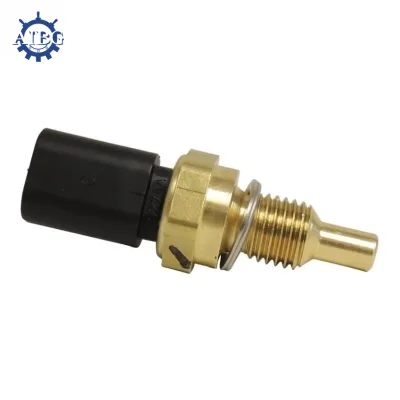
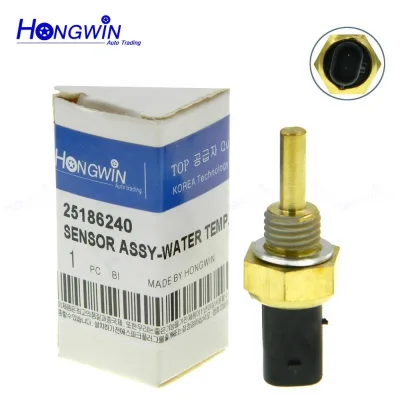
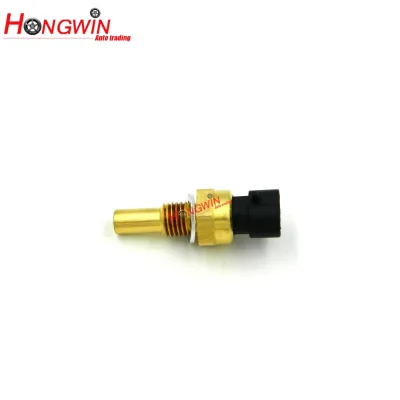
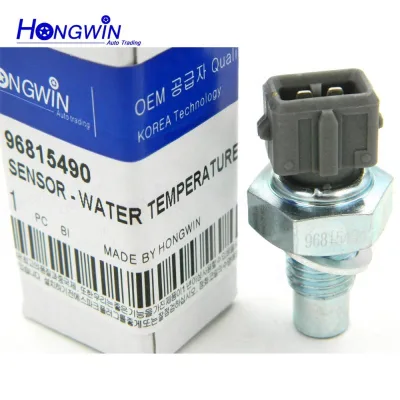
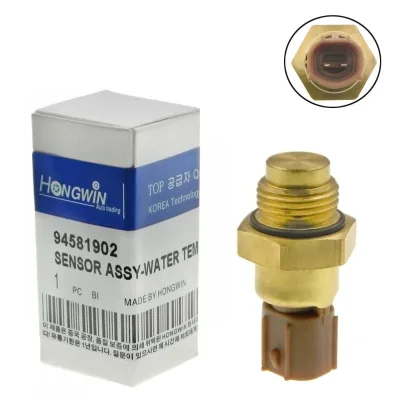
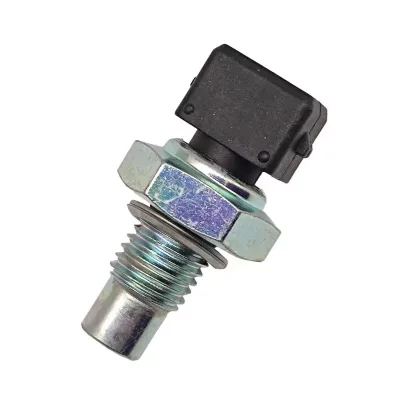
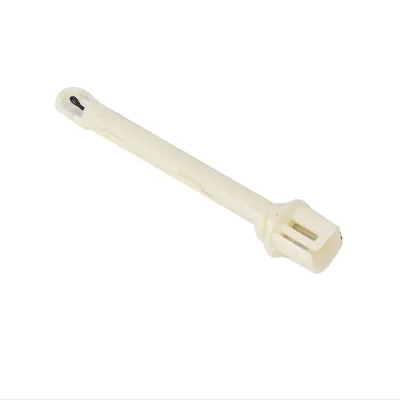
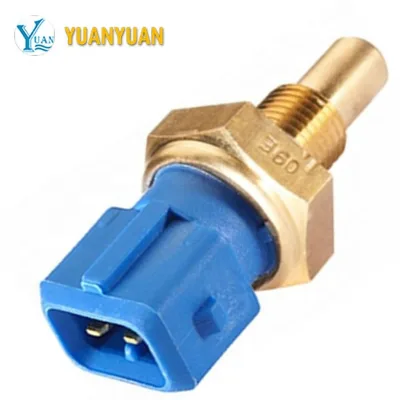


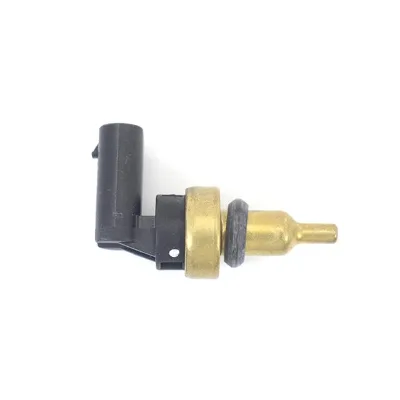


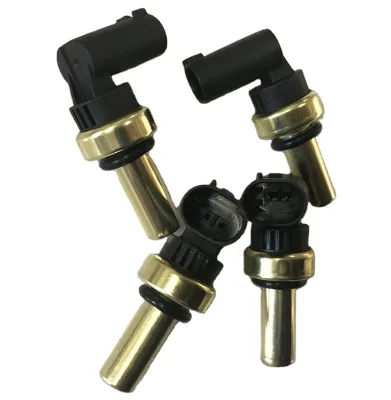

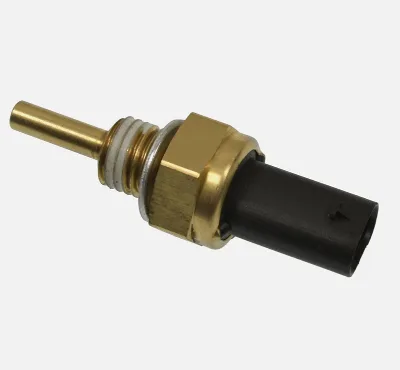


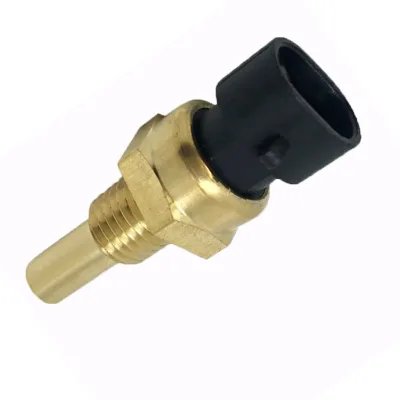
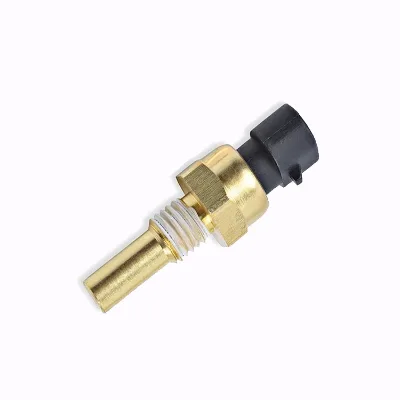
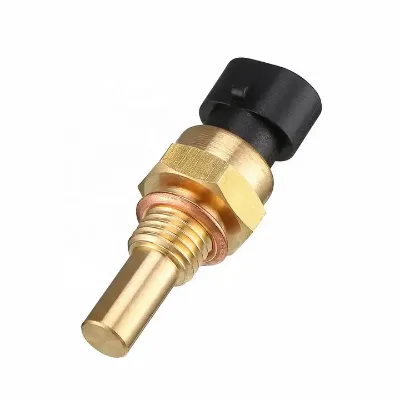
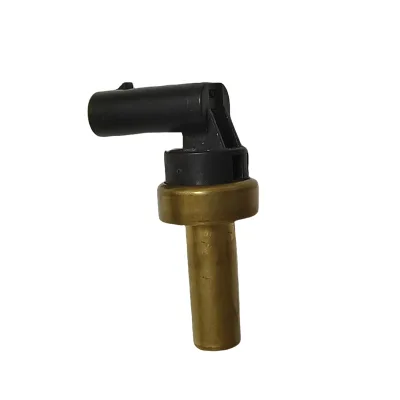
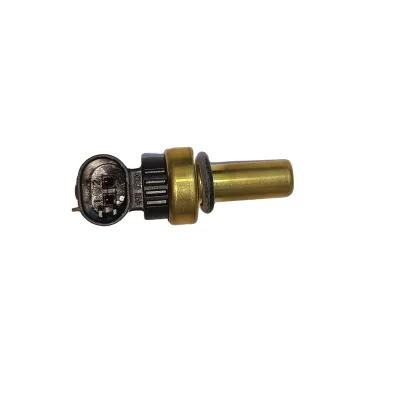


Comprehensive Sourcing Guide
Chevrolet Coolant Temperature Sensor Sourcing Guide
Procuring replacement coolant temperature sensors for Chevrolet vehicles requires careful alignment with specific engine management systems and original equipment specifications. The market offers a range of aftermarket options designed to replace factory units for models including the Chevrolet Spark, Cruze, and Sonic, as well as related brands like Daewoo and Buick. Buyers must prioritize sensors that match the exact OE numbers, such as 96182634 or 68164627AA, to ensure compatibility with the vehicle's electronic control unit.
Selection should focus on units explicitly labeled as brand new and intended for aftermarket replacement purposes. Many suppliers offer customized packaging and neutral packing options to suit different distribution needs, while others provide standard colorful boxes. It is critical to verify that the product condition is listed as new rather than refurbished, as this directly impacts the reliability of the temperature reading and the longevity of the component within the cooling system.
Product Scope and Observed Listing Signals
The available inventory spans a wide price range, typically observed between 0.10 and 205 USD, reflecting variations in brand reputation, material quality, and packaging standards. Minimum order quantities vary significantly, ranging from single items to bulk orders of 500 units, allowing flexibility for both individual repair shops and large-scale distributors. Buyers should note that some listings specify a single gross weight of 0.080 kg or 0.100 kg, which aids in calculating accurate shipping costs for international procurement.
Listing signals often include specific model numbers like CTS-82634 or 25186240, which correspond to distinct vehicle applications and sensor types. Some products are marketed with a "Golden" color finish, while others emphasize a "Nice Colorful Box" presentation. It is essential to distinguish between general temperature sensors and specific variants like the water temperature sensor, as the internal circuitry and response times may differ based on the intended application within the engine bay.
Technical Specifications to Verify
Technical verification begins with confirming the operation mode, which for these components is consistently electric, ensuring compatibility with modern vehicle wiring harnesses. Buyers must cross-reference the model number against the vehicle's service manual, as sensors for the Chevrolet Spark 2013-2015 differ from those used in the Cruze or Sonic. The presence of specific OE numbers, such as 0850413 or 15326388, serves as a primary indicator of fitment, and ignoring these details can lead to installation failures or inaccurate engine temperature readings.
Physical specifications, including single package dimensions of 10x10x10 cm, are relevant for logistics planning but secondary to electrical performance. The product standard is often cited as OE Standard, implying that the sensor should meet the original manufacturer's tolerance levels for resistance and voltage output. Procurement teams should request detailed datasheets that confirm the sensor's response curve and operating temperature range, ensuring it functions correctly under the extreme thermal conditions typical of automotive cooling systems.
Compliance and Safety Documentation
Compliance documentation is a critical component of the sourcing process, with many suppliers citing adherence to ISO 9001:2000 and ISO/TS 16949 standards. These certifications indicate that the manufacturing facility maintains a quality management system capable of producing consistent automotive-grade components. Buyers should verify that the supplier can provide valid certificates for these standards, as they serve as a baseline assurance that the production process includes rigorous quality control measures and traceability protocols.
Safety and reliability are further supported by claims of 100% professional testing and 100% quality assurance on the final product. While specific test results are not always publicly listed, the assertion of professional testing suggests that each unit undergoes functional checks before packaging. Procurement contracts should explicitly require that all delivered sensors meet these quality benchmarks, and buyers should be prepared to request batch-specific test reports to validate the consistency of the quality control process.
Cost Drivers and Commercial Terms
Commercial terms are heavily influenced by the customization options available, such as customized packing or neutral packaging, which can affect unit pricing and logistics efficiency. Payment methods like PayPal or Telegraphic Transfer (TT) are common, and buyers must account for the lead time of 20-30 days after payment receipt when planning inventory replenishment. The availability of samples is a key factor in cost management, allowing buyers to validate product quality before committing to larger orders, though sample availability may vary by supplier.
Warranty periods vary across listings, with options ranging from 6 months to 12 months, and some suppliers offering a standard 1-year warranty. These terms reflect the supplier's confidence in their product durability and provide a safety net for procurement teams. When negotiating, buyers should clarify whether the warranty covers only manufacturing defects or also includes performance issues related to installation, as this distinction can significantly impact the total cost of ownership and risk exposure.
Supplier Qualification and Quality Control
Supplier qualification relies on verifying the place of origin, with many listings indicating production in Zhejiang, China, a major hub for automotive components. Buyers should assess the supplier's capacity to handle customized orders, as the availability of customization suggests a flexible manufacturing setup. The presence of a "Brand Name" like AIBG or HONGWIN on the product indicates a level of brand identity, which can be a proxy for the supplier's market presence and commitment to maintaining a reputation for quality.
Quality control processes should be scrutinized through the lens of the supplier's stated capabilities, such as the ability to provide 100% professional testing. Buyers must ensure that the supplier has a robust system for handling returns and replacements, particularly given the critical nature of temperature sensors in engine management. Establishing a clear communication channel for quality issues is essential, as any deviation from the specified OE standard could lead to significant operational disruptions for the end-user.
Long-Term Procurement Checks
Long-term procurement success depends on establishing a consistent supply chain that can reliably deliver sensors matching the required OE specifications over time. Buyers should monitor the stability of the product model numbers and ensure that the supplier can maintain the same quality standards as the initial order. Regular audits of the supplier's production capabilities and quality control records are necessary to prevent drift in product performance, which could compromise the reliability of the vehicles being serviced.
It is also vital to track changes in warranty terms and lead times, as these factors can fluctuate based on raw material availability and production capacity. Maintaining a relationship with suppliers who offer sample availability allows for continuous validation of product quality without the need for full-scale re-testing. By keeping a close watch on these variables, procurement teams can mitigate risks associated with supply chain disruptions and ensure a steady flow of high-quality coolant temperature sensors for their Chevrolet vehicle clients.
FAQs
What certifications do these sensors meet?
These sensors meet ISO 9001:2000 and ISO/TS 16949 standards. The products are manufactured in Zhejiang, China, ensuring consistent quality control. Buyers can verify the certification details directly on the product page before placing orders for bulk purchases.
How long is the delivery time for orders?
Delivery occurs within 20 to 30 days after payment is received. This lead time applies to standard orders for the specified temperature sensors. Buyers should plan their inventory accordingly to ensure timely receipt of goods for their vehicle repair needs.
Which car models are compatible with these parts?
These parts fit Daewoo, Chevrolet, Buick, GMC, and Jeep models. Specific compatibility includes the Chevrolet Spark for years 2013 through 2015. Buyers should check the OE numbers to confirm exact fitment for their specific vehicle make and model before purchasing.
Can I request customized packaging for my order?
Yes, customized packaging and neutral packages are available for buyers. The standard packing includes 100 units per carton or nice colorful boxes. This flexibility allows businesses to tailor the presentation of the sensors to their specific distribution or retail requirements.
What warranty is provided for the temperature sensors?
Warranty periods vary from six months to one year depending on the specific product listing. Some items offer a twelve-month warranty for added assurance. Buyers should review the specific warranty terms listed for each item to understand their coverage options.
Are samples available for testing before bulk purchase?
Samples are available for buyers who wish to test product quality first. The items undergo 100% professional testing to ensure they meet OE standards. This allows purchasers to verify performance before committing to larger orders for their aftermarket replacement needs.
What is the minimum order quantity for these sensors?
The minimum order quantity ranges from one to 500 units depending on the supplier. Single item selling units are also available for smaller needs. Buyers can select the quantity that best fits their immediate inventory requirements or testing purposes.